Maggie Zhou x Big Small Talk: Finding Your Style in a Trend Obsessed World
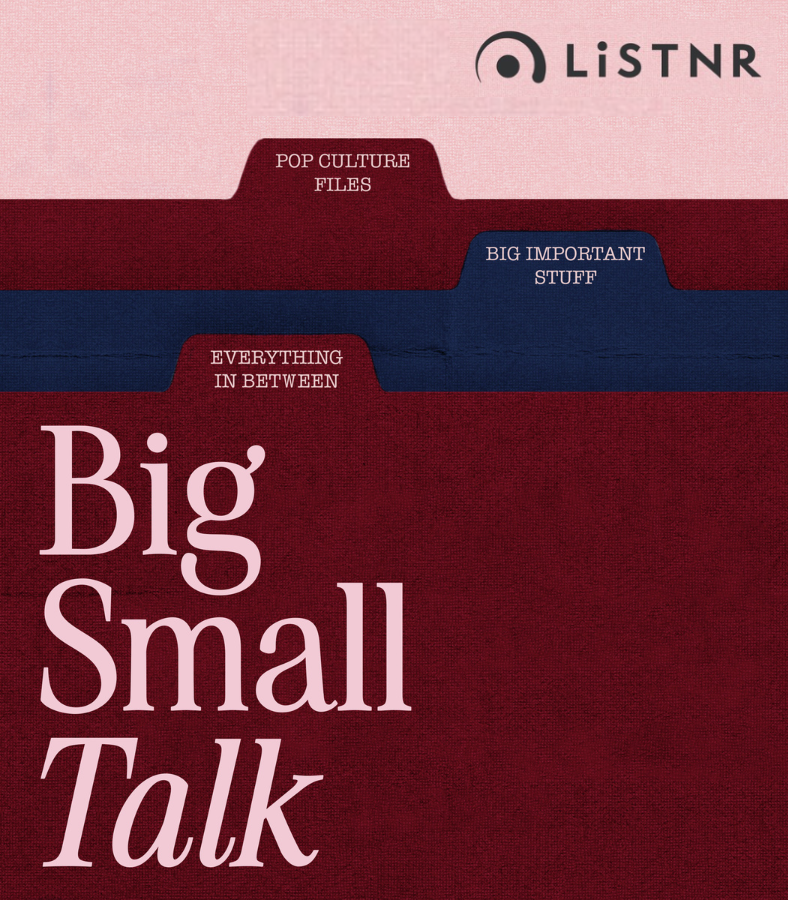
Fashion has always evolved - but right now, it’s moving at a pace that feels almost impossible to keep up with. In a recent episode of Big Small Talk, Maggie Zhou explores what it means to build a sense of personal style in a landscape driven by micro-trends, constant consumption and ever-changing aesthetics.
From tomato girl summer to the return of pastel grunge, trends are appearing and disappearing faster than ever before. What once followed a relatively predictable 20-year cycle has now compressed into a rapid rotation of styles, often resurfacing within just a few years. The result is a fashion environment that feels both exciting and, at times, overwhelming.
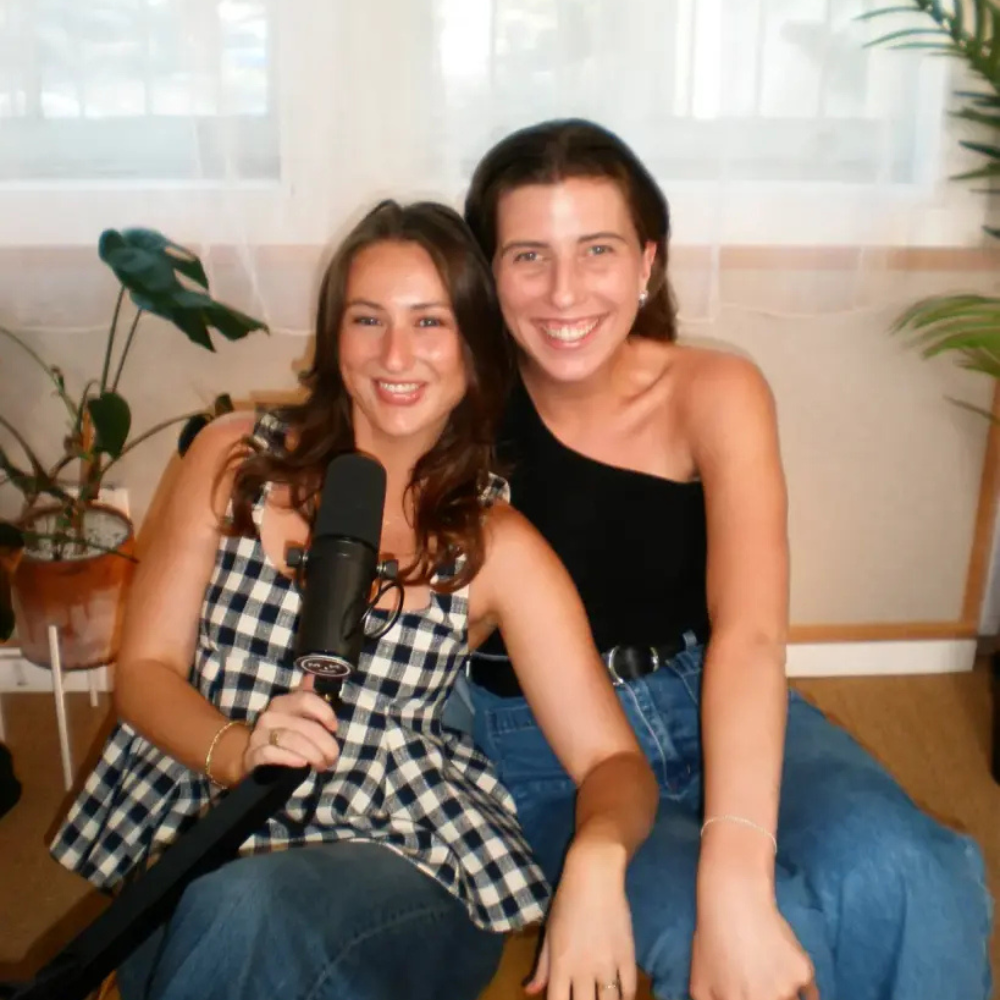
Introducing Maggie Zhou & Big Small Talk’s - Hannah & Sarah
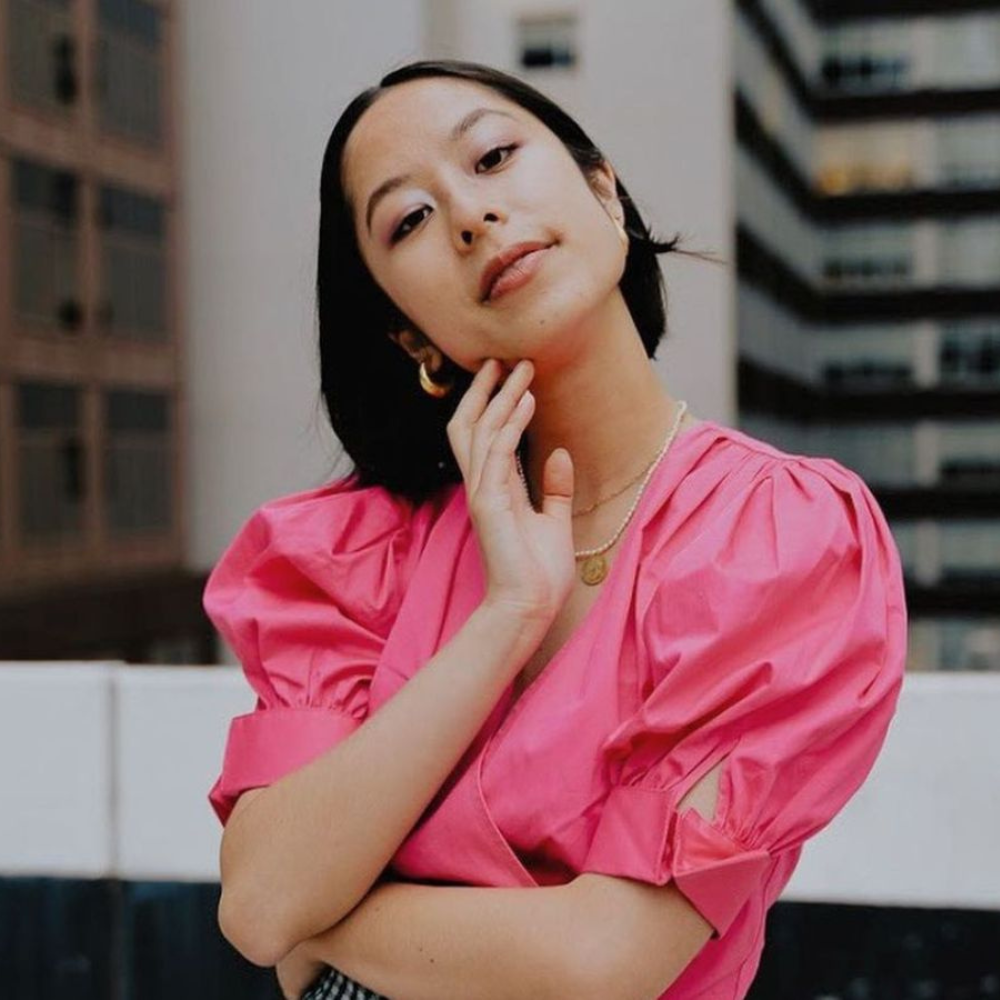
Maggie Zhou is a Melbourne-based fashion editor, writer and commentator with a strong presence across Australia’s media landscape. She is currently Fashion Editor-at-Large at Broadsheet, and was a longtime contributor to Fashion Journal for six years. Alongside her freelance writing, she has previously worked with Pedestrian Group and is also a co-host of the podcast Culture Club, where she explores fashion, culture and contemporary trends.
Big Small Talk is a LiSTNR podcast hosted by Hannah Ferguson and Sarah-Jane Adams that blends pop culture, relationship trends and serious political news. It features a chaotic, relatable style that breaks down major societal issues alongside daily cultural zeitgeist, providing a bridge between high-stakes politics and lighthearted banter.
The Rise (and Quick Fall) of Micro-Trends
Today’s trends are no longer just about silhouettes or colours—they’re entire identities. Think “clean girl,” “latte girl,” or “strawberry girl.” These aesthetics, often popularised by brands and social media, give consumers a neatly packaged version of style to buy into.
But as Maggie points out, trends are ultimately a reflection of the collective. They represent what’s popular at a given moment—but they’re also shaped by marketing, media and the growing influence of creators who are often paid to promote them.
The key takeaway? Not every trend needs to translate into a purchase.
You Can Participate Without Purchasing
One of the most refreshing ideas discussed is the notion that engaging with fashion doesn’t have to mean constantly buying into it. Trends can be appreciated as an art form - observed, interpreted, and even enjoyed - without needing to exist in your wardrobe.
Simply getting dressed each day is participation in the fashion landscape. There’s a level of autonomy in that - an ability to choose what you engage with and what you leave behind.
Building a Personal Style That Actually Lasts
With so much external noise, developing a personal style can feel like a moving target. Maggie describes her own approach as one of ongoing experimentation - often turning to second-hand pieces and embracing trial and error.
A practical framework she highlights is Alison Bornstein’s “three-word method”: defining your style using three descriptors that reflect both your current preferences and your aspirational self. For example, preppy, vintage, and masculine
But beyond labels, personal style is about intention. It’s worth asking: How do I want to feel in my clothes? What am I projecting?
And importantly, style doesn’t need to be fixed. It can shift weekly, seasonally, or whenever it feels right - without requiring a complete wardrobe reset. Often, the most effective changes are small: a new accessory, a different way of styling, or a subtle nod to a trend.
Why We’re Buying More Than Ever
The modern fashion cycle is closely tied to consumer psychology. There’s a constant sense of urgency - of needing to keep up - which can lead to habits like “doom spending,” where smaller, more affordable purchases are used as a quick serotonin boost.
Online shopping only amplifies this. The anticipation of a package arriving often feels more exciting than the item itself, turning purchases into emotional experiences rather than practical decisions.
Add to that the accessibility of ultra-fast fashion, and it’s easy to see how overconsumption has become the norm. In Australia alone, the average person buys around 56 new clothing items each year.
Rethinking Value in Fashion
This shift has also distorted our perception of value. Well-made, ethically produced clothing can feel expensive - but only because we’ve become so accustomed to extremely low price points.
In reality, clothing shouldn’t be that cheap. Every piece involves materials, labour, and craftsmanship. Choosing quality over quantity - investing in items that last, hold value, and can be resold - offers a more sustainable approach.
And perhaps most importantly, the most sustainable wardrobe is the one you already own.
Style, Culture and Context
Fashion is never just aesthetic, it’s cultural. Many trends are rooted in long-standing traditions and identities, even if they’re repackaged for a modern audience.
Maggie touches on the importance of recognising this context, particularly as trends can sometimes oversimplify or commodify cultural elements. Being aware of where trends come from allows for more thoughtful and respectful engagement.
The Australian Lens
Within Australia, there’s often a strong emphasis on fitting in rather than standing out. Local brands can struggle for recognition until they achieve international success - despite the country having a thriving and highly creative fashion scene
At the same time, traditional content formats like large-scale “hauls” are losing their appeal, increasingly seen as oversaturated or even out of touch. Creativity and originality are becoming more important than ever when it comes to cutting through.
Recommended Tool: Alta
Tools like Alta are emerging as a practical solution to navigating this fast-paced fashion landscape more intentionally. Rather than encouraging constant consumption, Alta uses AI to analyse your existing wardrobe, helping you create new outfits from pieces you already own while refining your personal style over time. In the context of trend overload and impulse buying, this kind of technology supports a more considered approach - allowing users to engage with trends in a way that aligns with their individual aesthetic, rather than feeling pressured to continuously purchase new items. It effectively bridges the gap between inspiration and practicality, reinforcing the idea that great style doesn’t come from having more, but from understanding what you already have.
Where to Start
If there’s one takeaway, it’s that personal style isn’t something you need to constantly chase, it’s something you refine.
Start with your own wardrobe. Look at what you wear most often, what you feel good in, and what you naturally gravitate towards. Use inspiration from social media or everyday life, but approach it with a critical eye. Ask yourself why you like something, rather than simply replicating it.
Because at its core, fashion is a form of self-expression.
And in a world of endless trends, there’s something powerful about knowing you don’t have to follow all of them.
You can listen to the episode here.