The Impact of Creators on Brands in 2026
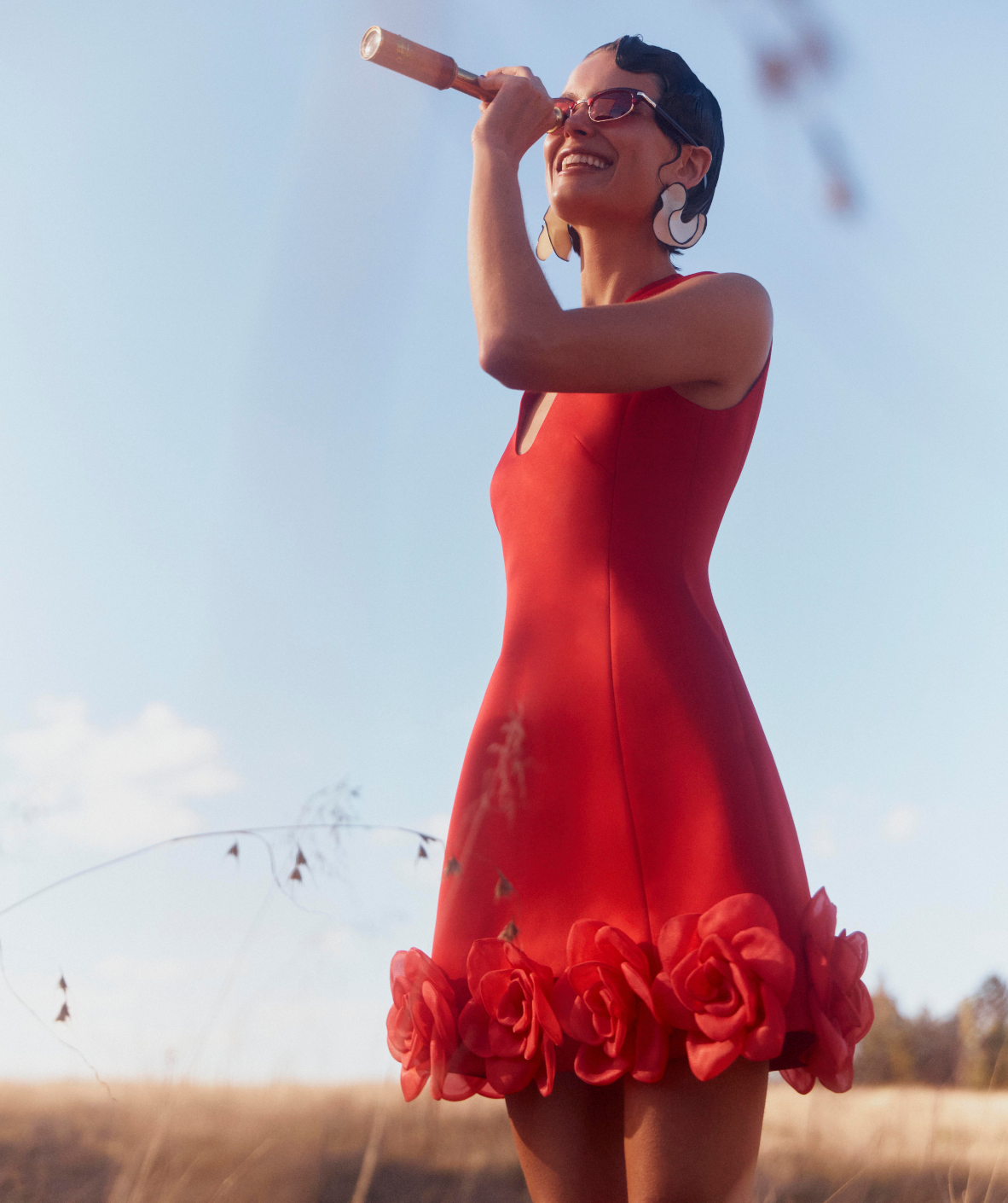
Image from Leo Lin via Flaunter.
In 2026, creators are no longer sitting on the sidelines of marketing strategies — they are the strategy. What started as influencer marketing has evolved into something far more powerful: creators now shape consumer trust, drive product discovery, influence culture, and directly impact purchasing decisions. Brands that once viewed creators as an “extra” channel are now building entire campaigns, launches, and communities around them.
The shift comes down to one major reality: audiences trust people more than polished advertising. In an era where consumers are constantly scrolling past ads, creators have become the bridge between brands and genuine engagement. And unlike traditional advertising, creator-led content feels personal, conversational, and culturally relevant.
According to industry forecasts, the creator economy is projected to surpass $40 billion in the US alone in 2026, with marketers continuing to increase investment into creator partnerships.
Reach Means Less. Relevance Means Everything
For years, brands focused heavily on follower counts. Bigger audience = better campaign. But in 2026, that mindset is rapidly disappearing.
Brands are now prioritising creators with highly engaged niche communities over massive followings. Micro and niche creators consistently outperform macro influencers when it comes to trust, saves, shares, comments, and conversions. Consumers are becoming more sceptical of overly polished sponsored content, and creators who feel authentic are driving stronger results.
This has completely changed how brands approach partnerships. Instead of asking:
“How many followers do they have?”
Brands are asking:
“Does their audience actually care?”
The result is a move toward long-term creator relationships rather than one-off paid posts. Creators are becoming brand ambassadors, collaborators, and in many cases, the face of campaigns.
Creators Are Driving Product Discovery
Search behaviour has changed dramatically. Consumers are increasingly discovering products through TikTok, Instagram Reels, YouTube Shorts, podcasts, and creator recommendations before they ever visit Google.
A product seen organically in a creator’s morning routine or “Get Ready With Me” video often performs better than a polished campaign shoot. Why? Because audiences feel like they are seeing products in real life rather than being sold to.
This is particularly visible across beauty, fashion, wellness, food, and lifestyle brands, where creators now influence not just what consumers buy, but how trends emerge in the first place.
The rise of “de-influencing” also pushed creators to become more transparent. Audiences now value honesty over perfection, and creators who openly share both positives and negatives tend to build stronger long-term trust.
Creators Have Become Media Channels
In 2026, many creators operate more like modern media companies than individuals. They run podcasts, newsletters, subscription communities, merchandise lines, affiliate storefronts, and even their own product brands.
This evolution has changed the power dynamic between brands and creators. Creators are no longer reliant on one-off sponsorships alone. Many now diversify their revenue streams through affiliate programs, licensing, subscriptions, and co-created products.
For brands, this creates new opportunities. Partnerships are no longer limited to sponsored posts — they now include:
Affiliate-led campaigns
Product collaborations
Event hosting
Podcast sponsorships
Creator-led brand launches
Long-form storytelling
Community activations
The most successful campaigns in 2026 are the ones where creators are treated like creative partners, not simply advertising space.
AI Has Changed Content Creation — But Not Trust
AI has transformed the speed and scale of content production. Creators can now edit faster, repurpose content instantly, and generate multiple creative concepts in minutes. Brands are also using AI-powered UGC and automation to scale content output.
But while AI has made content easier to create, it has also increased the importance of authenticity.
Consumers are becoming better at spotting overly scripted or generic content. In a sea of AI-generated posts, human personality stands out more than ever. This means creators who have built strong communities and genuine audience trust are becoming even more valuable to brands.
In many ways, AI has made creators more important, not less.
Metrics Are Shifting From Vanity to Value
Another major change in 2026 is how brands measure success.
Likes and impressions are no longer enough. Brands are paying closer attention to:
Saves
Shares
Comments
Link clicks
Affiliate conversions
DM enquiries
Community engagement
Many marketers now view a highly engaged creator community as more valuable than broad passive reach.
This shift is pushing creators to focus on meaningful engagement rather than chasing viral moments.
The Rise of Creator-Led Brands
Some of the fastest-growing brands in 2026 are creator-founded or creator-backed. Audiences feel emotionally invested in creators they have followed for years, which gives creator-led products a huge advantage when launching into crowded markets.
Consumers are no longer just buying products — they are buying into personalities, communities, and lifestyles.
For traditional brands, this creates pressure to move faster, communicate more authentically, and build stronger emotional connections with audiences.
How Flaunter can help
As creator partnerships become more central to brand growth, managing them efficiently is becoming just as important as the creative itself. This is where Flaunter can make a major difference for brands and PR teams in 2026. Instead of juggling endless spreadsheets, emails, gifting lists, and creator outreach manually, Flaunter helps streamline the entire process in one platform. Brands can discover relevant creators and media contacts, manage product send-outs, track coverage, organise campaigns, and build stronger long-term relationships all in one place. As the lines between PR, creator marketing, and social content continue to blur, having a platform that supports both visibility and efficiency is becoming essential for brands wanting to scale creator partnerships without losing authenticity.
What This Means for Brands
The brands winning in 2026 understand that creators are no longer simply part of the marketing mix — they are central to modern brand building.
The most effective creator partnerships today feel less like advertising and more like collaboration. Consumers want content that feels native to the platforms they use daily, and creators are uniquely positioned to deliver that in a way traditional advertising often cannot.
At the same time, managing creator relationships at scale has become increasingly complex. From outreach and gifting to campaign tracking, approvals, reporting, and media coverage, brands need systems that allow them to move quickly while maintaining authentic relationships.
This is where platforms like Flaunter are becoming essential for modern PR and marketing teams. As creator marketing becomes more integrated with PR, social, events, and earned media, brands need streamlined ways to manage collaborations, discover relevant creators, track results, and build long-term relationships — without drowning in spreadsheets and admin.
Because in 2026, creator marketing is no longer a trend. It’s the infrastructure behind how modern brands grow.