
The Swatch x Audemars Piguet Collab That Has Everyone Talking
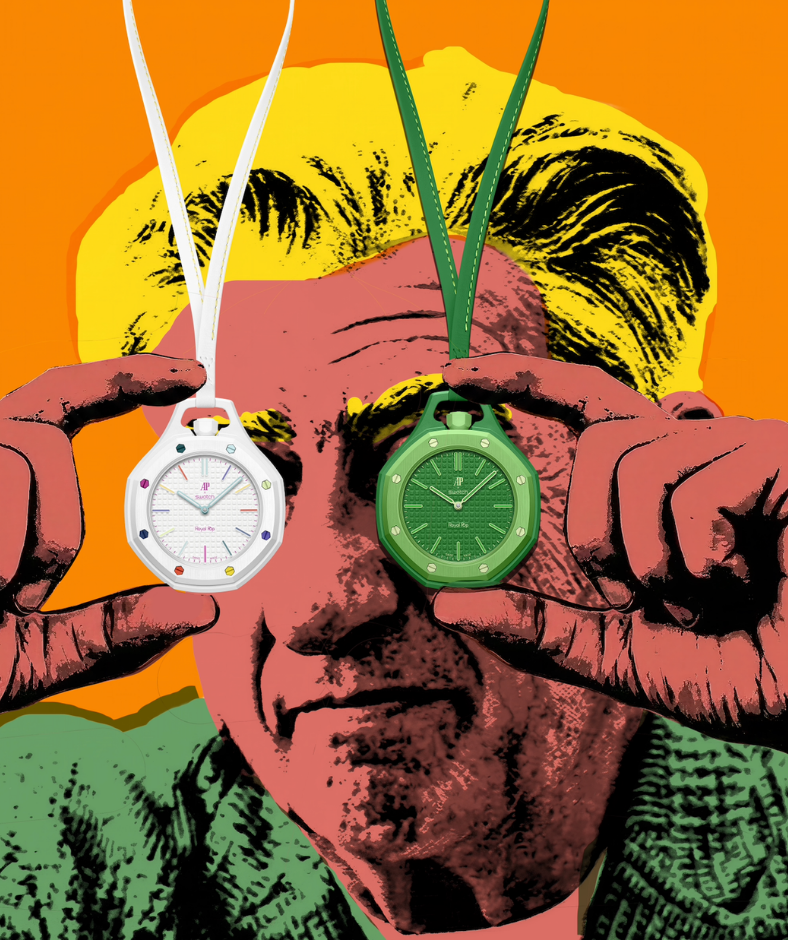
If you watched the news last week, tuned into the radio or simply had a quick scroll, chances are you caught Swatch making headlines.
The Swiss watchmaker had crowds camping overnight for its highly anticipated collaboration with luxury powerhouse Audemars Piguet (AP). But it wasn’t just the queues causing a stir... from the moment the partnership was announced, the internet went into overdrive, with watch collectors and fashion lovers alike generating their own AI concepts and debating every possible design detail.
So, what actually happened... and what can brands (and PRs) learn from it?
Firstly, a bit about Swatch and Audemars Piguet
Audemars Piguet is one of the most respected names in fine watchmaking, a heritage brand still owned by its founding families since 1875. Known for pushing boundaries while maintaining its craftsmanship roots, AP has long balanced tradition with innovation, building a global community of collectors and enthusiasts.
Swatch, on the other hand, has built its reputation on disruption. Since 1983, the brand has shaken up the watch industry with bold design, accessibility and a strong connection to culture, from art to action sports. It’s playful, experimental and always in tune with the moment.
On paper, they sit at opposite ends of the spectrum. In reality? That’s exactly what makes the collaboration work.
The lead up
On the 8th of May, the collaboration was officially confirmed, and the internet did what it does best.
AI-generated designs flooded social media feeds, blurring the line between rumour and reality. Comment sections erupted, with users debating colourways and materials. One design in particular gained major traction, with many convinced it was the real thing. This sparked heated debate around whether the collaboration would take the form of a traditional wristwatch or something entirely different.
Meanwhile, Swatch leaned into the moment, dropping hints on social media. Subtle teasers hinted at the collection’s name, with eagle-eyed fans quickly linking references back to AP’s iconic Royal Oak. It was a masterclass in controlled anticipation, giving audiences just enough to speculate, but not enough to confirm anything.
The announcement
When the official designs finally dropped, the internet didn’t quite expect what came next.
Instead of a wristwatch, the Swatch x Audemars Piguet collaboration arrived as a series of bold, Bioceramic pocket watches; a playful reimagining that leaned heavily into both brands’ DNA. Drawing inspiration from the Royal Oak and Swatch’s own 1980s POP designs, the collection delivered eight colourful models designed to be worn far beyond the wrist.
Necklaces, pocket attachments, clipped onto bags or styled as desk pieces. This was more than just a product launch; this unexpected twist created a shift in how watches could be worn. The blend of high-end watchmaking references with Swatch’s signature accessibility created something entirely new: collectable, wearable and definitely conversation starting.
The aftermath
If the online buzz was loud, the real-world reaction was even louder.
Across the globe, fans queued for hours - and in some cases, days - to get their hands on the drop. Yes, we are talking serious chaos, with reports of crowds getting out of hand and police stepping in with pepper spray.
Here in Australia, crowds formed outside Swatch stores, with campers setting up along major shopping strips in hopes of securing one of the limited pieces.
The appeal? Simple. Owning a piece linked to one of the most exclusive names in watchmaking, at a significantly more accessible price point. By limiting availability to select in-store locations, the brands created urgency, exclusivity and a sense of “you had to be there” - all key drivers of hype culture.
What this collab teaches us
From those of us who live and breathe marketing and PR, this wasn’t just a product launch, it was a perfectly orchestrated moment. One that played out across social, in the media, and very visibly on the ground. There are many lessons we can learn from PR plays such as this, so here are a few notes:
1. Hype starts before the product exists
The most powerful part of this campaign happened before anyone even saw the watch. Teasers, speculation and even AI-generated “leaks” became part of the story. Brands don’t need to control the whole story. In fact, letting the audience run with it can build even more momentum and keep people talking for longer.
2. Community drives conversation
From collectors to casual fashion fans, this collaboration tapped into multiple audiences at once. The ongoing debate around wrist versus pocket, and real versus fake designs, kept engagement high and stretched the lifecycle of the story well beyond a typical launch window.
3. Unexpected choices cut through
A pocket watch wasn’t what most people predicted, and that’s exactly why it worked. In a crowded market, doing something slightly unexpected is often what gets people to stop scrolling and start talking. The more surprising the move, the more shareable it becomes.
4. Accessibility + aspiration = a winning formula
Pairing a heritage luxury brand with a more accessible name like Swatch opens the door to a much broader audience, without losing that sense of desirability. If anything, it heightens it. We’ve seen this play out before with collaborations like Louis Vuitton and Supreme, where hype and accessibility meet in the middle and create something people really want to be part of.
5. IRL experiences still matter
When everything seems to be digital, real-world moments still hit differently. The queues, the crowds and the overnight campouts turned online hype into something tangible. It made the launch feel bigger, more exclusive and worth talking about, both online and off.
ID Collective represents Swatch in Australia. For all media enquiries please contact them via their Flaunter profile here.