Why Earned Media is More Important Than Ever in 2026
For most of the past decade, social media sat at the centre of every marketing strategy. Post more. Move faster. Chase trends. Go viral. That was the formula. But in 2026, something has shifted.
Feeds are saturated. Audiences are more discerning. And the line between what’s paid and what’s genuine has never been more obvious. As a result, brands are starting to look beyond the scroll and back towards something more enduring: earned media.
The Return of Credibility
Earned media — coverage secured through editorial features, organic press mentions and product placements — offers what social platforms increasingly struggle to deliver: trust.
A sponsored post might drive reach, but a feature in a respected publication signals credibility. It’s a third‑party endorsement, not a paid placement, and that distinction matters more than ever in a landscape shaped by sceptical consumers and ad fatigue.
As audiences become more fluent in recognising paid content, they’re placing greater value on platforms and voices they perceive as independent. Earned media doesn’t interrupt. It validates. And that validation carries weight.
Social Saturation and Diminishing Returns
At the same time, the sheer volume of content on social platforms has created diminishing returns. Brands are producing more than ever, yet cutting through is harder. Even strong creative can disappear into an endless stream of posts, stories and short‑form video.
Earned media operates differently. It lives in a more curated environment, where inclusion is intentional. When a brand is featured, it’s there for a reason, and audiences engage with it accordingly. The context elevates the content.
The Unexpected Resurgence of Print
Nowhere is this shift more visible than in the resurgence of print.
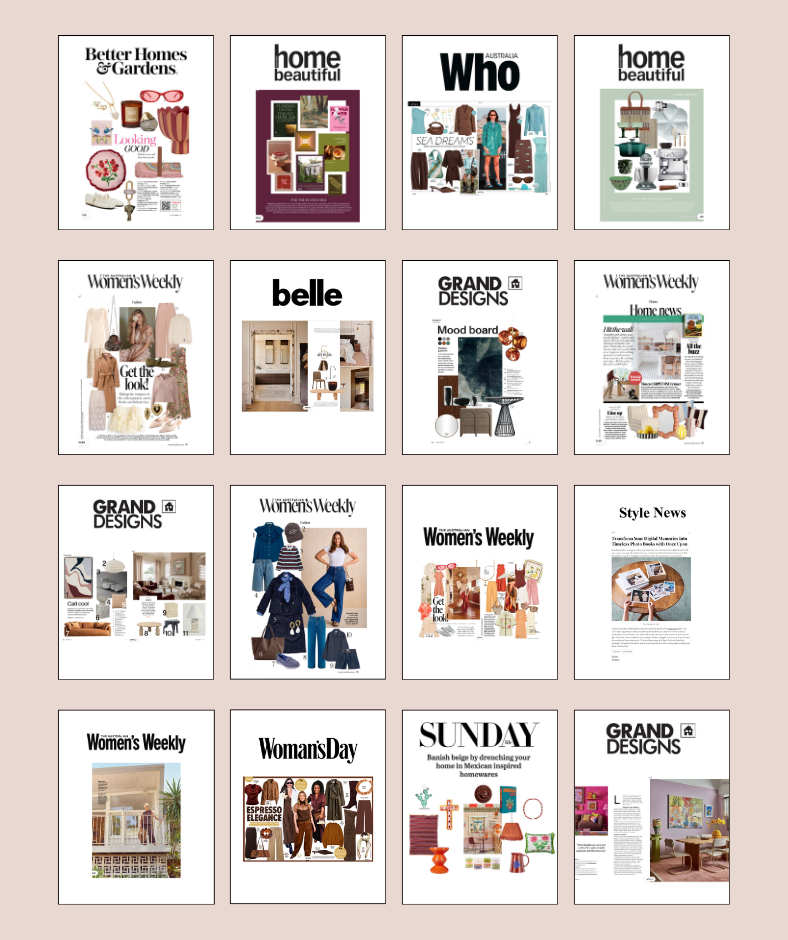
In Australia, Gen Z is driving an unexpected return to magazines, accounting for nearly 44% of fashion magazine buyers, the largest share of any generation. Titles like Cosmopolitan Australia and ELLE Australia have returned to print after years on hiatus, while Vogue Australia has reported significant growth in Gen Z readership.
For a generation raised entirely online, the appeal lies in the opposite. Print offers a form of digital detox, slower and more intentional consumption in a world of constant scrolling.
Magazines are also being reimagined as tangible, collectible objects. They’re aesthetic, curated and frequently shared on social media as part of a broader physical media trend. But beyond the visuals, they represent something deeper, a move towards content that feels considered, credible and worth spending time with.
A Shift in Attention, Not Just Channels
This analogue comeback reflects a broader behavioural change. Consumers, particularly younger audiences, are becoming more selective about where they place their attention. They’re not just passively consuming content. They’re actively seeking it out.
They’re reading. Saving. Revisiting. Engaging with platforms that feel less transactional and more trustworthy.
For brands, this creates a clear opportunity. Earned media placements, across both digital and print, are no longer a nice‑to‑have. They’re a powerful way to build authority in a landscape where trust is increasingly difficult to earn.
The Power of Longevity
Another advantage of earned media is lifespan.
Social content is immediate, but fleeting. A post might perform well for a few hours or days before disappearing entirely. Earned media, by contrast, continues to deliver value long after publication, driving awareness, credibility and even SEO impact over time.
In print, that longevity extends further still. Magazines live on coffee tables, in studios and on shelves, becoming lasting brand touchpoints rather than momentary impressions.
Rebalancing the Mix
This doesn’t mean abandoning social media. It means rebalancing.
The most effective strategies in 2026 aren’t built on a single channel. They’re layered. Social delivers immediacy and interaction. Earned media builds authority and belief. Together, they create a more credible, resilient brand presence.
This shift also demands greater intention. Volume alone is no longer enough. Brands need strong visuals, clear narratives and press‑ready assets that make it easy for media to engage. Being discoverable, prepared and consistent matters more than ever.
Substance Over Noise
Earned media isn’t new, but the way it’s being valued has changed.
In a world of endless content and shrinking attention spans, it offers something increasingly rare: substance.
In 2026, it’s not just about being seen.
It’s about being believed.
Where Flaunter sits within this
As earned media regains its role as a credibility driver, the way brands approach PR needs to evolve too.
Flaunter helps brands lean into earned media without adding layers of complexity. As an always‑on digital PR assistant and all in one PR software, it gives journalists, editors, stylists and creators instant access to press‑ready assets, digital showrooms and sample collections, all in one place.
Instead of relying solely on outreach and follow‑ups, brands can show up where media are already looking. Flaunter makes it easier to be discoverable, consistent and prepared, while giving brands clear visibility into what’s being viewed, downloaded and engaged with.
In a landscape where trust matters more than volume, earned media works best when it’s supported by the right tools.
If your brand is ready to build credibility beyond the scroll, Flaunter helps you do it.
Not on Flaunter yet?
Start a 2‑week free trial to see what Flaunter is all about, or reach out to our team at hello@flaunter.com for a complimentary demo call.