
Why Samples Get Lost (And How to Stop It)
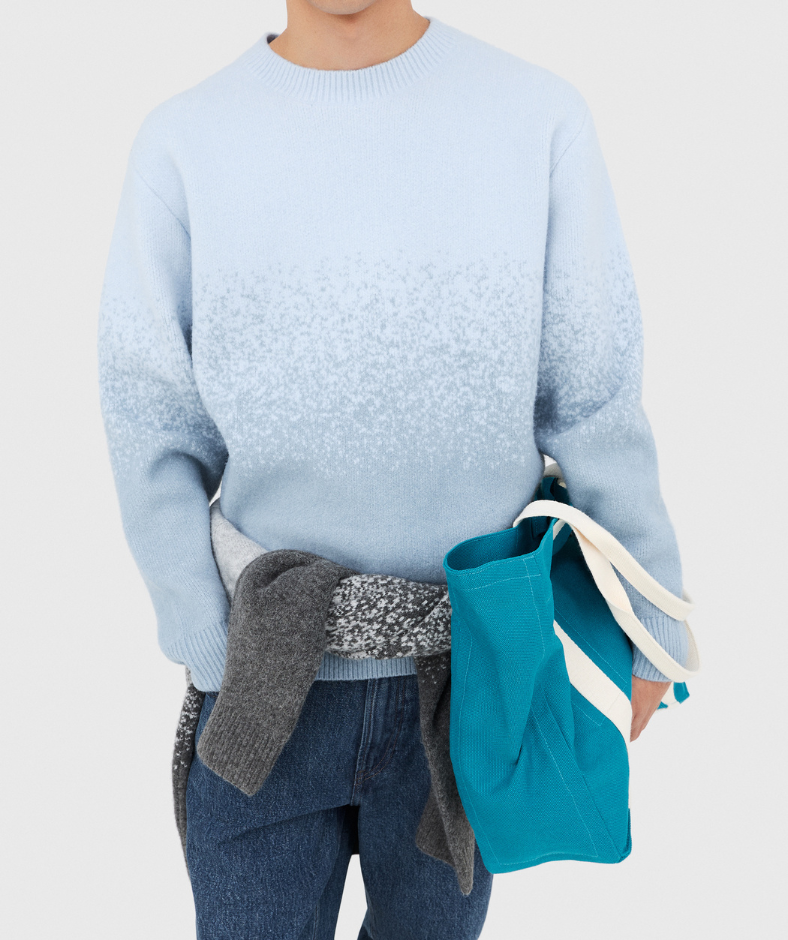
Image from UNIQLO via Flaunter.
Sending samples should be one of the most effective tools in PR. Done well, it builds goodwill with journalists and creators, leads to quality coverage, and brings stories to life. Done poorly, it becomes a source of wasted product, awkward follow‑ups, and unanswered questions. And in many PR teams, samples go missing all the time—not necessarily physically lost, but lost in process.
The Process Behind Samples Is Broken
Most sample programs don’t fail because journalists are careless. They fail because the systems behind them are fragmented and manual. Samples pass through multiple hands, from PR managers and coordinators to couriers, journalists, talent managers, and stylists. Tracking is spread across spreadsheets, inboxes, messaging apps, and memory. Once visibility disappears, no one is quite sure who approved the sample, when it was sent, whether it arrived, or what was meant to happen next.
Too Many Channels, No Visibility
Information about samples often lives across too many channels that don’t connect. A request might be confirmed by email, logged in a spreadsheet, acknowledged via DM, and followed up with a calendar reminder. None of it provides a real‑time view. By the time someone tries to piece it together, the moment has passed and the trail has gone cold.
Follow‑Ups Are the First Thing to Go
Follow‑ups are another common failure point. Samples require active management to turn into coverage, but when teams are juggling launches, media requests, reporting, and approvals, they’re easy to deprioritise. Without clear ownership or automated reminders, follow‑ups quietly drop away. Months later, teams realise a high‑value item was never featured, returned, or even acknowledged.
No Clear Owner Means No Accountability
Ownership is often unclear as well. In‑house teams assume agencies are tracking samples, agencies assume the brand is handling it, and individual team members assume someone else has it covered. When responsibility is fuzzy, accountability disappears—and samples slip through the cracks.
Manual Tracking Doesn’t Scale
Manual tracking might work at small volumes, but it breaks down quickly as programs scale. More launches, more creators, and more regions mean more complexity. Spreadsheets weren’t built to manage dynamic relationships or outcomes, and the more samples a team sends, the more time they spend managing admin instead of results.
The Cost Goes Beyond Lost Product
The impact goes beyond missing inventory. Journalists feel uncomfortable being chased for items they’ve already returned. Brands look disorganised when they don’t know what’s been sent or why. Internally, confidence erodes in PR’s ability to manage assets effectively, turning what should be a relationship‑building tool into a source of friction.
Fix the Workflow, Not the People
Samples don’t get lost because people don’t care. They get lost because the workflows weren’t designed to create visibility, ownership, or scale. When sample tracking is built into everyday PR operations rather than bolted on as an afterthought, nothing slips through. Fix the workflow, and samples stop disappearing. Fix the workflow, and they start doing what they’re meant to do—driving coverage, not confusion.
So where does Flaunter fit in?
Flaunter’s all‑in‑one PR platform is built to fix the broken sample workflow — not by adding more spreadsheets or follow‑ups, but by giving teams real visibility and ownership from the start. With digital showrooms, built‑in sample requests and end‑to‑end tracking, you can see exactly who has what, where it is, and what’s meant to happen next.
No more guessing. No more awkward follow‑ups. No more samples disappearing into the void.
By bringing sample management into the same place as your press assets, media outreach and reporting, Flaunter helps PR teams turn samples back into what they’re meant to be: a relationship‑building tool that drives coverage, not confusion.
Because samples don’t need more chasing.
They need a better system.
Not using Flaunter yet?
Start a free 14‑day trial, or get in touch at hello@flaunter.com to book a complimentary discovery call.