
Product Placement: Manipulating Desire in Plain Sight
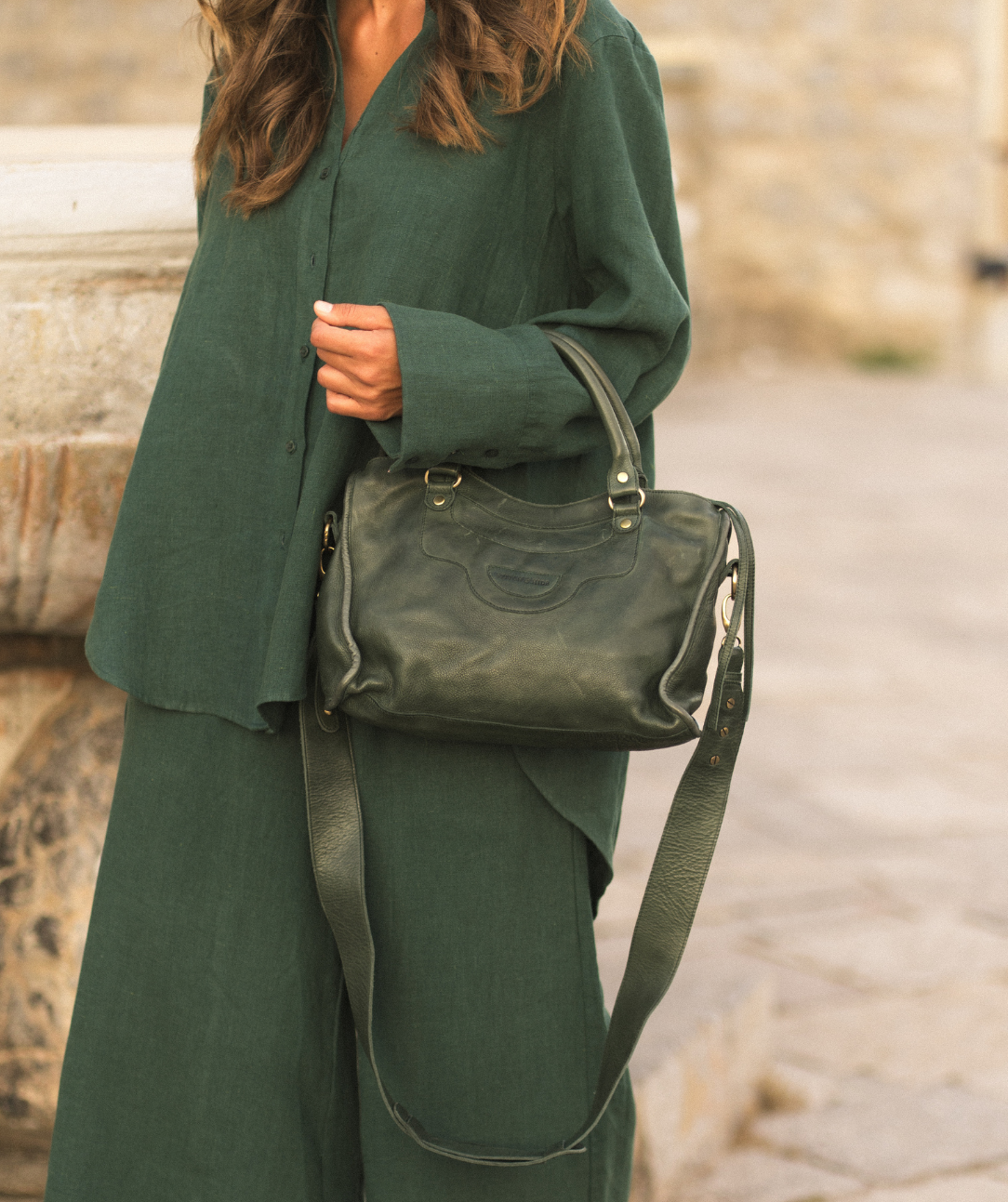
Stitch And Hide on Flaunter
Ever caught yourself wanting the exact handbag, lipstick or car you spotted in a movie? You're not alone. Some of the most powerful marketing moments don't come from ads at all, they happen on the big screen. Whether it's a luxury fashion label carried by a leading character, a beauty product featured in a close-up, or a car driven through an iconic chase scene, these moments can shape consumer desire long after the credits roll.
From iconic fashion moments to products that become almost as memorable as the characters themselves, product placement has mastered the art of influencing what we want without feeling like we're being sold to. Sometimes it's obvious, sometimes it's impossible to spot, but the best examples leave you wondering whether you loved the product because of the story, or loved the story because of the product.
Mindful Placement
Product placement isn't just about showcasing products in the media - it's become an art form that manipulates space, narrative and visual focus to make you want things before you even know why. Take, for example, the iconic use of Aston Martin in the James Bond films. It's not just a car; it's a symbol of sophistication, danger and allure. When Bond drives an Aston Martin, he's not just driving a high-performance vehicle; he's selling a lifestyle - one that audiences subconsciously crave.
Similarly, Apple’s ubiquitous product appearances in popular films and TV shows do more than just display gadgets. They subtly associate Apple's brand with certain character traits like creativity, innovation and a sleek, modern aesthetic. This strategic placement speaks directly to our aspirations, not just our needs, embedding these products into the storyline of our own lives.
Strategies That Changed the Game
1. The Subliminal Sell
Take the striking example of Calvin Klein in the film Clueless. The movie, a cult classic from the mid-90s, cleverly integrated a Calvin Klein slip dress into a pivotal scene that was both memorable and humorous. The main character, Cher, dons what she describes as a "dress" but which her father critiques as "underwear." This dialogue and the subsequent scene not only highlighted the dress but also subtly promoted Calvin Klein's fashion-forward, risqué approach to teen fashion.
The placement was brilliantly effective because it was woven into a humorous and relatable parent-child interaction, making the dress - and thus Calvin Klein’s brand - part of a culturally iconic moment. This strategy didn't just display the product; it embedded it within a memorable context, influencing the audience's perception of Calvin Klein as a trendy, must-have brand for the fashionable young consumer. Sales and brand searches saw a significant uptick following the film’s release, showcasing how seamlessly integrated product placements can translate into real-world consumer actions.
2. Creating Character Through Products
In Emily in Paris, Lancôme's beauty products are used to articulate the protagonist’s glamorous lifestyle and personal evolution in the cosmopolitan context of Paris. Emily, portrayed as a young American in Paris, often uses Lancôme products, subtly reinforcing the brand's association with Parisian elegance and sophistication. The show cleverly positions these beauty items as tools of transformation as well as essential elements of Emily's burgeoning identity as she navigates her career and personal life in a new city. This strategic placement ensures Lancôme is perceived as a brand that empowers young women with confidence and style, integral to their personal and professional growth.
3. Strategic Screen Time
IKEA used 500 Days of Summer to showcase products during a pivotal scene where the main characters, Tom and Summer, playfully wander through an IKEA showroom, imagining their life together. This clever placement transforms the store into a stage for relationship dynamics, where the furniture and decor items become part of the characters' playful interactions and fantasies about their future. The scene serves as a charming and memorable moment but also effectively displays IKEA's products in use, emphasising their functionality and appeal in everyday life.
This strategic screen time for IKEA highlights the brand's focus on modern, affordable design and its relevance in the lives of young, urban consumers. By integrating its products into a relatable narrative about relationships and domestic life, IKEA reinforces its position as a brand that fits seamlessly into the personal stories of its customers, promoting both the aesthetic and emotional value of its furnishings. This not only boosts visibility but also enhances consumer connection with the brand, associating it with youthful romance and the playful design of a life together.
4. Perfect Pairing
Product placement is most effective when it feels like a natural part of the story rather than an obvious advertisement. When a product aligns with a movie's setting, characters or overall theme, audiences are more likely to accept it without feeling like they're being marketed to. A great example is Dior's integration into The Devil Wears Prada 2, where Emily's character is now the head of the iconic fashion house. In the first film, one of Emily's most memorable lines was, "I don't care if she was gonna fire you or beat you with a shoe. I don't care if you're dying. Unless you're dying in Dior, I'm not interested." Twenty years later, her character leading Dior creates a meaningful connection that feels like a natural evolution of the story rather than a random brand placement. This type of product integration strengthens both the narrative and the brand, making it far more memorable and authentic for audiences.
Expert Tips for Crafting Compelling Placements
Target Emotional Resonance: Connect your product with key emotional moments in the media. It’s not about the product appearing on screen; it’s about becoming part of the moment.
Ensure Contextual Alignment: Your product should fit seamlessly into the setting and storyline. An out-of-place product can jolt the viewer out of the experience, breaking the spell.
Leverage Multi-Platform Synergies: Coordinate placements across different media for a cohesive branding strategy. If a product appears in a film, echo that placement in related TV advertising, social media and print campaigns.
Engage, Don’t Interrupt: The most successful placements enhance the story rather than interrupting it. They should add value to the content, not detract from it.
Navigating the world of product placement requires a keen understanding of both narrative context and audience perception, transforming ordinary products into icons of lifestyle and aspiration. As we continue to engage with our favourite media, the dance between viewer and product will undoubtedly evolve, but the essence of impactful product placement will remain the same: seamlessly integrating into our lives, capturing our imaginations and shaping our desires in the subtlest of ways.
We’d love to hear your thoughts on this topic! Share your own examples or ideas with us at hello@flaunter.com. And if you’re keen to put your brand in front of media, sign up to Flaunter today with our 14-day free trial.
