What Makes a Great Brand Collaboration? Lessons from the Past Decade
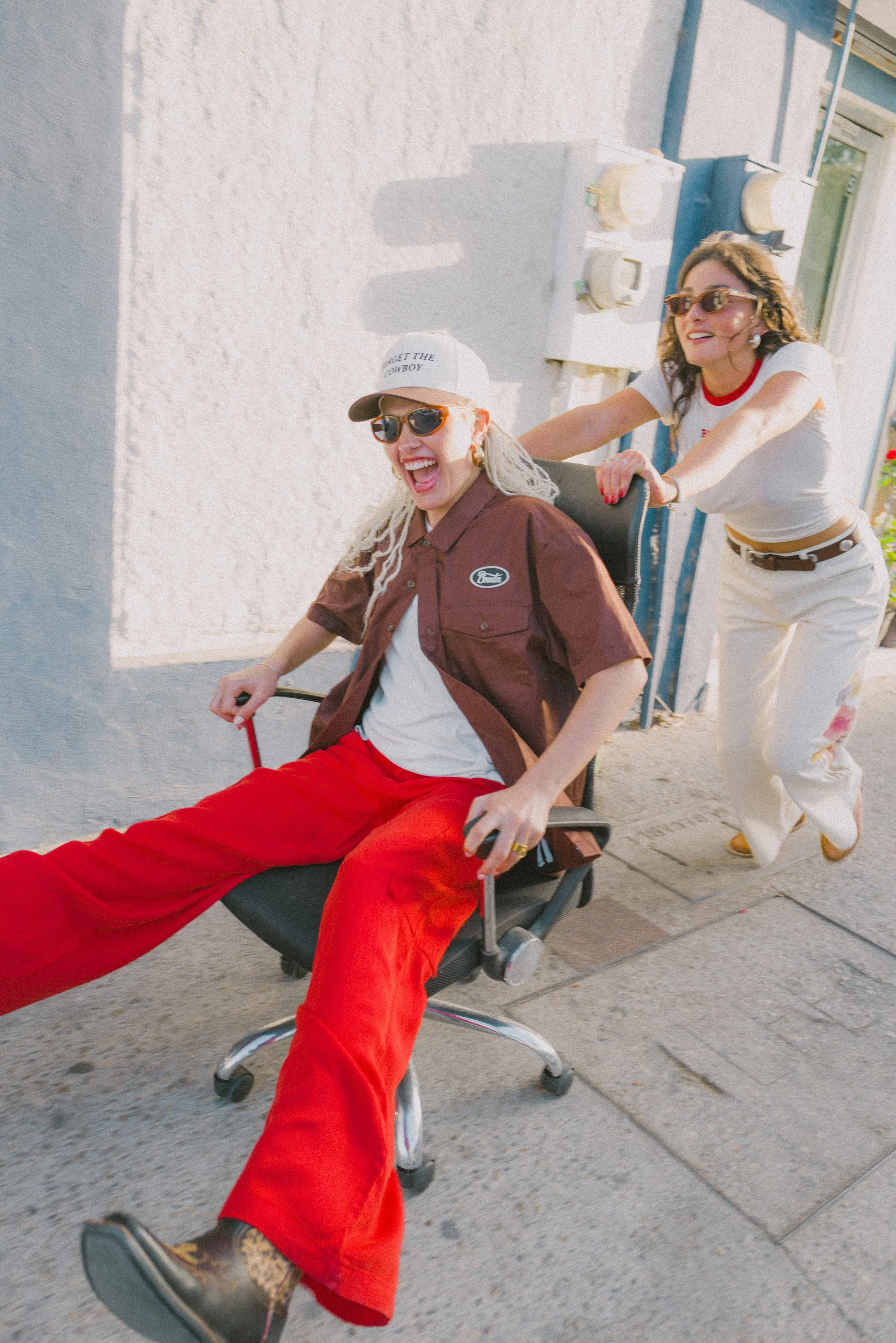
Image from Brixton via Flaunter
Picture this: it’s 7am, you’re half ready for work, sipping your coffee and already doomscrolling through your socials. In the space of five minutes, you’ve seen one celeb announce yet another beauty collab, a fashion label partner with a snack brand, and a creator-led collection selling out before you’ve even found your keys.
Overload? Maybe, yes. But honestly? It makes sense. Everyone’s collaborating because consumers love it right now — the creativity, the surprise, the energy fun collabs are bringing into the world. It’s exciting. It’s playful. It’s pushing categories in new directions.
In 2026, brand partnerships aren’t about chasing a quick PR moment. They’ve evolved into something deeper. A way for brands to connect with audiences through stories, values and shared ideas. People are more engaged, more discerning and more inspired than ever. They want collabs that feel intentional. Ones that feel aligned. Ones that bring something genuinely fresh to the table.
The collaborations that truly shine aren’t the loudest or the most outrageous, they’re the ones that pair meaning with creativity. The ones that feel like two brands saying, “This is who we are. This is what we believe in. And this is what we’ve made… for you.”
So how do you make your partnership stand out?
Well, let’s take a look at three collaborations from the past decade — and what made them work so well.
Louis Vuitton x Supreme
There’s something irresistibly fun about watching “rivals” team up. Think Batman and Superman joining forces, or two TV queens who spent seasons side‑eyeing each other suddenly becoming besties in the finale.
Fashion got its own version of that moment with Louis Vuitton x Supreme.
We’re not saying they were sworn enemies, but it is pretty iconic that over a decade before their collab, Louis Vuitton hit Supreme with a cease‑and‑desist over its cheeky use of the LV monogram. Fast‑forward and those same brands are releasing a collection together, turning what could’ve stayed a brief legal scuffle into one of the most talked‑about collaborations in modern fashion.
From a PR perspective, it’s a dream narrative:
luxury heritage meets skate‑park cool
high‑fashion craftsmanship collides with streetwear attitude
a rocky past turn into a powerful “yes”
LV gained access to a younger hype audience, while Supreme gained prestige and even further legacy. It wasn’t just a sell‑out drop — it became a culture.
SKIMS x… Anyone?
If there’s one brand quietly (okay, loudly) nailing collabs on repeat, it’s SKIMS. Their partnerships feel less like random drops and more like a perfectly curated mood board of what people are loving right now.
They balance longer‑term plays — like the ongoing SKIMS x Nike momentum — with timely, hyper‑relevant releases that drop exactly when culture is buzzing. It’s not one big splash; it’s a rhythm.
And sure, when you’re SKIMS, the connections, budget and star power make the logistics easier. But what actually sets them apart is how closely they pay attention to their audience. They know what people want, when they want it, and they show up at the right moment with something that feels intentional, fresh and totally on‑time.
SKIMS has embedded collaboration into their brand DNA. People expect them to drop something new, and they consistently deliver in a way that feels aligned rather than performative. Collabs aren’t a side project for them, they’re simply part of how the brand exists in culture. That consistency is what builds trust, momentum and that unmistakable “SKIMS always gets it right” energy.
Róisín Pierce x Polène
Then there are the collaborations that catch you off‑guard in the best possible way. The ones you didn’t see coming yet made perfect sense the moment you did. Róisín Pierce x Polène was exactly that.
Pierce’s romantic silhouettes and sculptural, cloud‑like bows met Polène’s minimalist French leather craftsmanship to create a collection that felt both unexpected and inevitable. They took leather — a material usually known for its structure and rigidity — and transformed it into something softer, almost hand‑folded.
And it wasn’t just a “let’s see what we can make together” moment. It was a true blend of each brand’s DNA, unveiled during Pierce’s Paris Fashion Week presentation. Her ornamental detailing met Polène’s architectural silhouettes in a way that felt thoughtful, deliberate and completely aligned.
What made the collaboration even more meaningful was the intention behind it. Polène wasn’t only co‑creating beautiful bags; they were elevating an emerging designer on a bigger stage. In a landscape where young talent often struggled for visibility, seeing a global brand champion someone like Róisín Pierce added a deeper layer to the moment. It was a reminder that the best collaborations didn’t just merge aesthetics — they supported creativity, craft and the future of the industry.
So… what can you take away from these examples?
If there’s one thing these collaborations show, it’s that there’s no single formula for a great partnership but there are patterns. Whether it’s a high–low cultural collision (Louis Vuitton x Supreme), a brand consistently reading the room (SKIMS), or two creatives blending their DNA (Róisín Pierce x Polène), each collab nails these core truths:
Great partnerships feel intentional. They feel aligned. And they’re built around something the audience actually wants.
Here’s what that means for you:
1. Lean into what makes you different.
Your uniqueness is often the spark that makes a collaboration exciting. Think of LV x Supreme — the magic happened because they came from two totally different worlds and leaned into that contrast rather than smoothing it out. Partnerships work best when each brand brings something distinct to the table, not when both try to blend into the same shade of beige. So, own the thing that makes you unexpected, and look for partners who complement that difference, not replicate it.
2. Timing matters
SKIMS proves that showing up at the right cultural moment can make a collab instantly relevant. You don’t need a huge budget to do this — you just need to stay close to your audience and pay attention to what they’re excited about right now. Whether it’s listening to social trends, monitoring conversations, or watching what media are covering, the timing of a collab can be the difference between “nice idea” and “instant moment.” When you show up on time, the story tells itself.
3. Choose partners who deepen the story, not distract from it.
A great collab should feel like a natural extension of your brand’s narrative. Róisín Pierce x Polène worked because both brands shared a devotion to craft, structure and artistry — together they made something that felt inevitable. When you're choosing a partner, look for shared values, aligned aesthetics or a clear purpose that ties the two brands together.
At the end of the day, a great collab is simply storytelling — two brands coming together to say something bigger, brighter and more culturally relevant than they could alone. When you prioritise meaning over noise, you naturally create the kind of partnerships people want to talk about, share and connect with. And that’s the real goal.